
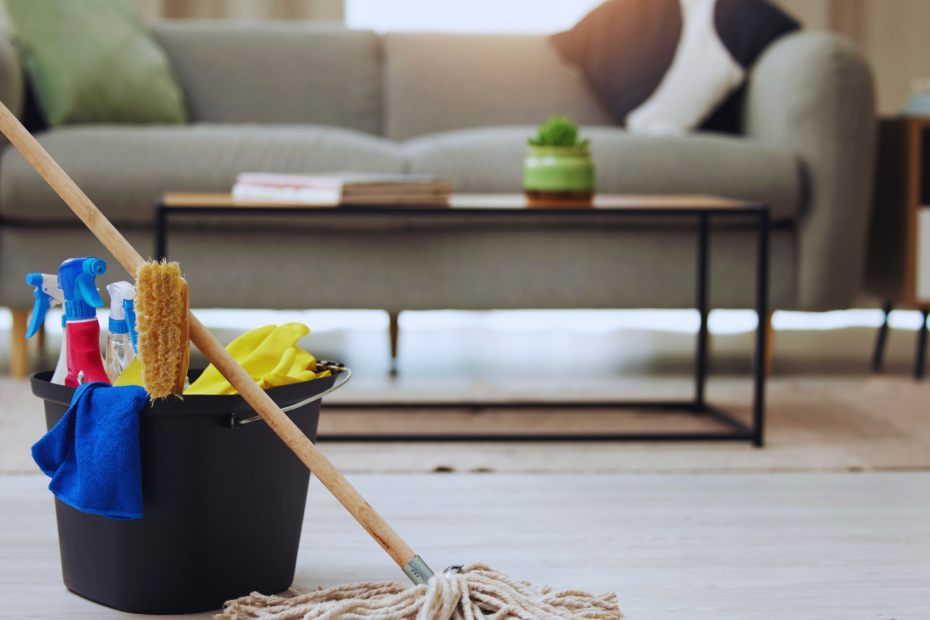
A house deep clean can significantly enhance the quality of life within a home. By eliminating dust, allergens, and bacteria, deep cleaning promotes better hygiene and ensures a healthier living environment. This process goes beyond surface cleaning, addressing hidden areas that often accumulate dirt and grime, which can lead to health issues over time.
Cleanliness also has a profound impact on mental health. When a space is clutter-free and thoroughly cleaned, it can reduce stress and anxiety, creating a more serene atmosphere. Many individuals report feeling more focused and productive in a clean environment, highlighting the connection between cleanliness and overall well-being.
Investing time in a deep clean can yield lasting benefits for both physical health and mental clarity. Understanding these advantages encourages homeowners to prioritize this essential task, leading to a more enjoyable and healthy living space.
The Fundamentals of Deep Cleaning
Deep cleaning involves a comprehensive approach that goes beyond regular housekeeping. It focuses on cleaning every nook and cranny of a home, enhancing both cleanliness and atmosphere. Key elements include understanding deep cleaning, the importance of decluttering, and establishing a cleaning schedule.
Understanding Deep Cleaning
Deep cleaning refers to a thorough cleaning process that targets areas often overlooked in routine cleaning. This includes baseboards, light fixtures, and behind appliances. Unlike simple tidying, deep cleaning employs specialized tools and techniques to remove deep-seated dirt, allergens, and bacteria. As such, it could sometimes require the assistance of professionals who provide deep cleaning services.
Common tasks include:
- Scrubbing Bathrooms: Focusing on grout and fixtures for a spotless finish.
- Kitchen Cleaning: Disinfecting surfaces, including cabinet interiors and appliances.
- Dusting: Reaching high and low zones, such as ceiling fans and baseboards.
By implementing a systematic approach to deep cleaning, one can achieve a fresher home environment.
Decluttering Your Space
Decluttering sets the stage for effective deep cleaning. It involves removing unnecessary items that accumulate over time, making cleaning tasks easier and more efficient.
To declutter effectively:
- Sort Items: Use categories like keep, donate, and discard.
- Tackle One Room at a Time: Focus on one space to avoid feeling overwhelmed.
- Utilize Storage Solutions: Containers and shelves help organize belongings.
A decluttered space not only looks better but also promotes mental clarity and reduces stress, making the deep cleaning process more manageable.
Setting Up a Cleaning Schedule
Creating a cleaning schedule is essential for maintaining cleanliness after a deep clean. Regular planning ensures that tasks are not neglected and provides a clear roadmap for upkeep.
Key elements of a cleaning schedule include:
- Daily Tasks: Simple chores like dishwashing and surface wiping.
- Weekly Focus: Bedrooms and living areas should be cleaned thoroughly each week.
- Monthly Deep Clean: Schedule specific tasks like refrigerator cleaning or window washing.
By consistently adhering to a cleaning schedule, one can prevent clutter accumulation and maintain a sanitary living environment with less effort.
Health and Well-being Benefits
A thorough deep clean can notably enhance health and well-being within a home. Key benefits include improved indoor air quality, reduced allergens and germs, and positive mental health impacts.
Improving Indoor Air Quality
Deep cleaning significantly contributes to better indoor air quality. Dust, pet dander, and mold are common pollutants found in homes. Regular cleaning reduces these irritants, allowing residents to breathe easier. Using high-efficiency particulate air (HEPA) filters in vacuums helps trap small particles. Employing disinfectants on surfaces also minimizes the spread of harmful bacteria. Good ventilation in the rooms is essential for air circulation, contributing to a healthier living environment. Several factors play a role in ensuring effective ventilation, including airflow design, air filtration, and humidity control. Natural ventilation, like opening windows, can bring in fresh air.
However, the air conditioning and heating services in the household play a crucial part in maintaining the air quality of the home. Hence, it must be ensured that these systems are always running efficiently. In case they are not, it can be beneficial to learn more about HVAC services and how regular maintenance, preferably by professionals, can improve the indoor air quality. Regular maintenance, such as cleaning air ducts every three to five years, can reduce contaminants and improve system performance. Such proactive measures not only enhance air quality but also extend the lifespan of the equipment
Reducing Allergens and Germs
Allergens and germs thrive in unclean spaces. Regular deep cleaning targets high-contact areas, such as doorknobs and countertops, where germs frequently accumulate.
Cleaning fabrics, including curtains and upholstery, remove dust mites. Washing bedding in hot water eliminates various allergens. This proactive approach not only reduces allergy symptoms but also decreases the chances of illness spreading among residents.
Mental Health Advantages
A clean home promotes a sense of calm and order. Clutter and dirt can lead to feelings of stress and anxiety. When a home is well-maintained, individuals often experience increased productivity and improved mood.
Engaging in cleaning tasks can also serve as a form of exercise, contributing to physical well-being. Creating a bright, clean environment helps foster relaxation. Ultimately, the act of cleaning can be mentally cleansing, fostering a routine that nurtures well-being.
Cleaning Techniques and Supplies
Choosing appropriate cleaning techniques and supplies is vital for an effective deep clean. Specific tools and solutions can enhance cleaning efficiency and ensure optimal results. This section discusses the right tools, the effective use of cleaning solutions, and natural alternatives available for achieving a thorough cleaning.
Choosing the Right Cleaning Tools
Selecting the right cleaning tools can significantly impact the effectiveness of a deep clean. Essential items include:
- Microfiber cloths: These are effective at trapping dirt and absorbing liquids without scratching surfaces.
- Mops: A good quality mop is crucial for flooring, with options like flat mops or sponge mops offering versatility.
- Bristle brushes: These help in scrubbing tough spots, especially in kitchens and bathrooms.
Investing in quality cleaning supplies like all-purpose cleaners is beneficial as they can tackle various surfaces with ease. Having a range of tools ensures maximum efficacy in hard-to-reach areas.
Effective Use of Cleaning Solutions
Understanding how to utilize cleaning solutions effectively can optimize cleaning efforts. An all-purpose cleaner can deal with multiple surfaces, but applying it correctly is essential.
- Dampen clothing: Make sure clothes or mops are slightly damp to avoid oversaturation.
- Follow instructions: Depending on the product, proper dilution and dwell time are critical.
- Spot test: Always test solutions on inconspicuous areas to ensure no damage occurs.
For tougher stains, a mixture of baking soda and vinegar can create a powerful cleaning reaction. This solution is especially effective on hard surfaces and can lift stubborn grime when applied correctly.
Natural Alternatives for Deep Cleaning
Using natural alternatives can be effective and environmentally friendly. Key options include:
- Distilled white vinegar: This versatile liquid serves as a great disinfectant and deodorizer.
- Baking soda: A mild abrasive that can tackle stains and odors without harsh chemicals.
- Essential oils: Adding a few drops to cleaning solutions can provide pleasant scents and added antibacterial properties.
These natural ingredients can often replace chemical cleaners, making them safer for households with children or pets. Combining these methods enhances the cleaning effects and promotes a healthier home environment.
Room-by-Room Deep Cleaning Tips
Effective deep cleaning requires focused strategies tailored to specific areas in the home. Each room presents unique cleaning challenges and opportunities that can enhance the living environment.
Tackling the Kitchen and Appliances
The kitchen is often a hub of activity and can accumulate grime quickly. Start by removing all food items from cabinets and wipe down surfaces with a disinfectant. For appliances, focus on cleaning the refrigerator, oven, and microwave thoroughly. Use a grout cleaner for any stained tiles and a carpet cleaner if there are spills on rugs.
Don’t forget to clean behind and under large appliances, as crumbs and dirt often hide there. Dust HVAC vent covers and clean the window treatments to eliminate dust. Regularly sanitizing trash cans and drains will prevent unpleasant odors.
Focus on the Bedroom for a Restful Environment
A clean bedroom promotes better sleep. Begin by purging unnecessary items, making space for relaxation. Dust all surfaces, including baseboards and light fixtures. Use a vacuum cleaner to remove dust from carpets and under the bed, ensuring allergens are minimized.
Bed linens should be washed regularly, and the mattress can benefit from a gentle vacuuming. Clean electronics such as lamps and chargers to avoid dust buildup. Consider cleaning drapes as well, ensuring that natural light can brighten the space without obstacles.
Bathroom Cleaning to Prevent Mold and Mildew
Bathrooms can develop mold and mildew rapidly. Focus on sanitizing all surfaces, especially sinks and countertops. Use a grout cleaner to tackle discolored grout between tiles, or if that doesn’t work, reach out to local tile and grout cleaning services. Clean the shower and tub thoroughly, ensuring soap scum and residue are removed.
Pay particular attention to drains, as they can harbor bacteria. Use a mixture of vinegar and baking soda for a natural cleaning solution. Wipe down mirrors and windows to remove streaks. Finally, clean out any trash cans to maintain hygiene.
Living Areas: Maintaining Common Spaces
Living areas require regular attention to keep them inviting. Start with dusting furniture and electronics, ensuring that surfaces are clear of debris. A vacuum should be utilized for carpets and upholstery, paying special attention to corners and under furniture.
Mopping hard floors removes any lingering dust and dirt. Check window treatments for dust and stains, cleaning them as necessary. Don’t forget to clean HVAC vent covers to improve air quality. Additionally, scheduling routine check-ups with a trusted provider of Air conditioning service Tampa FL (or wherever you are located) can help maintain the air quality in all the common spaces and also identify and address potential issues before they escalate. Regularly organizing household items will keep spaces tidy and pleasant for everyday use.
A deep clean does more than make your space look neat. It brings a sense of calm, improves the air you breathe, and supports a healthier home overall. Whether it’s tackling the grime in forgotten corners or clearing out the allergens hiding in carpets and vents, giving your home a proper reset can go a long way. It’s not about perfection, it’s about creating a space that feels good to live in. So when life feels a bit cluttered or heavy, consider starting with your surroundings. A cleaner home just might help clear your head, too.