
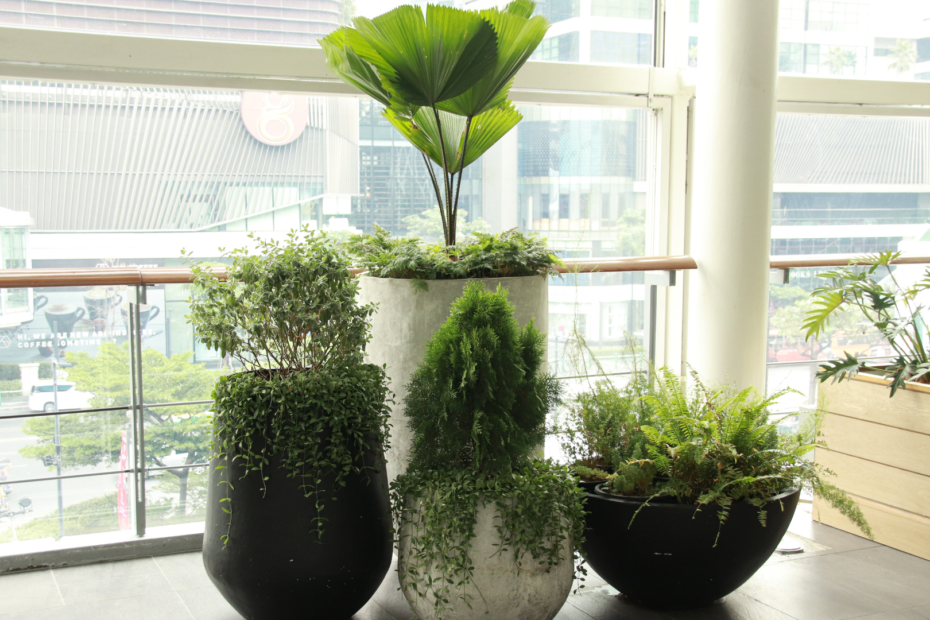
Looking to liven up your living space and bring a touch of nature inside? Look no further than indoor plants! Whether you have a green thumb or are just starting, there’s an indoor plant perfect for your home.
Even people who have large and diverse gardens often take one look at how and what kind of plants are incorporated in greenhouses or scotts ex display summer houses and have one built in their backyard so that they can have their pick of indoor plants to nurture and enjoy. The popularity and benefits of indoor plants are therefore well-known. That is why, from lush foliage to delicate blooms, we’ve gathered the top picks for beginners so you can add some greenery to your space with ease. Get ready to transform your home into a vibrant oasis with these easy-to-care-for plants that will thrive indoors!
Introduction to Indoor Plants and Their Benefits
If you’re looking to add a little life to your home décor, indoor plants are a great option! Not only do they add visual interest, but they can also improve air quality and boost your mood. If you’re new to plant parenthood, fear not! Since there are plenty of indoor plants, they will add value to your home, regardless of your level of experience.
Indoor plants come in a wide variety of shapes, sizes, and colors, so you’re sure to find one that fits your space and style. Popular options include aloe vera, spider plant, snake plant, pothos, succulents, fiddle leaf figs, and more.
In addition to brightening up your living space, indoor plants offer some amazing benefits. They can purify the air by removing toxins such as formaldehyde and benzene from the environment, meaning they can help reduce the potential side effects of air pollution!
Plants also produce oxygen that can help reduce stress levels and improve overall moods. Finally, they can even act as natural humidifiers in dry climates or areas with low humidity; this will keep your skin from drying out due to excess heat or air conditioning units!
Where can Indoor Plants thrive
Indoor plants can thrive in different areas throughout your home, each offering unique conditions to suit various plant species. In the living room, you’ll find common houseplants like pothos and peace lilies thriving with ample natural light.
Bedrooms benefit from air-purifying plants such as lavender and aloe vera, creating a soothing ambiance. Kitchens are ideal for growing herbs like basil and mint, making them readily accessible for cooking. Balconies or patios offer space for outdoor-friendly potted plants, with some care required to protect them from extreme weather conditions. For a space-saving touch of elegance, consider vertical gardens, both indoors and on balconies, using specialized wall-mounted planters to create a stunning display of greenery. Additionally, sunrooms can be designed to receive ample sunlight throughout the day. This natural light is ideal for many types of indoor plants that require bright, indirect light. Plants can thrive there, leading to healthier growth and more vibrant foliage and therefore, you can think of hiring companies that specialize in sunrooms additions in Columbia or wherever you stay.
Alternatively, to enhance the charm of your indoor living space while providing optimal light and room for your plants to flourish, consider investing in an orangery. Orangeries are elegantly designed spaces that can seamlessly blend indoor and outdoor living, while offering an abundance of natural light-ideal for a variety of indoor plants. With their versatile design, orangeries can create an optimal environment for fostering plant growth and enhance the overall aesthetics of your living space. When considering installation, consult with experts specialising in orangeries UK or elsewhere. Remember, by selecting the right location based on your plants’ needs, you can infuse greenery and life into every nook and cranny of your home.
What to Consider When Choosing Indoor Plants
When it comes to choosing indoor plants, there are a few things you’ll want to take into consideration. First, think about the amount of light the plant will need. If you have a low-light room, consider plants that don’t require much sun.
You’ll want to think about the size of the plant. Make sure you choose a plant that won’t outgrow its space. Consider your personal care preferences. Some plants require more upkeep than others. Choose plants that will fit your lifestyle and you’ll be sure to enjoy it for years to come!
The Best Indoor Plants for Beginners
If you’re new to the world of indoor plants, it can be overwhelming trying to figure out which ones are best for your home. But don’t worry, we’ve got you covered! Here are our top picks for the best indoor plants for beginners:
Snake Plant
This plant is practically indestructible, making it perfect for those who are new to plant ownership. It’s also low-maintenance, requiring very little water or sunlight.
Spider Plant
Another easy-to-care-for option, spider plants are known for being able to thrive in a wide range of conditions. They’re also great at purifying the air in your home.
Peace Lily
Peace lilies are beautiful plants that can add a touch of elegance to any room. They’re relatively low-maintenance but do require more attention than some of the other options on this list.
Aloe Vera
Aloe vera is a succulent that is popular for its healing properties (the gel from the leaves can be used to soothe burns and cuts). It’s a tough plant that can tolerate neglect, making it ideal for beginner gardeners.
Pothos
Pothos is a fast-growing vine that is incredibly easy to care for. It’s a great choice if you’re looking for something that will fill up a bare wall or space quickly.
Succulents
Succulents are some of the hardiest and most low-maintenance plants out there. They come in a variety of shapes, sizes, and colors, making them an easy choice for those just starting with indoor plants.
Fiddle Leaf Figs
Fiddle leaf figs are gorgeous plants that require a bit more care than some of the others on this list. They do best in bright, indirect sunlight and love to be misted regularly.
Care Tips for Keeping Your Indoor Plants Healthy
One of the most important things you can do to keep your indoor plants healthy is to water them regularly. Indoor plants typically need to be watered every week or so, depending on the plant and the level of humidity in your home. Check the soil before watering to make sure it is dry at least an inch below the surface; if it is too wet, you may want to wait a day or two before watering again.
In addition to regular watering, indoor plants also need occasional fertilization. Use a fertilizer (think options like Hornspäne) every few weeks during the growing season spring and summer, and then reduce frequency to once a month during fall and winter. Be sure not to over-fertilize, as this can damage roots and leaves.
Give your plants plenty of light. Most indoor plants prefer bright, indirect sunlight; if you don’t have a spot that gets good light, you may want to invest in a grow light. Place plants close to windows or in the south- or west-facing rooms for best results.
Indoor plants can be a beautiful addition to any home, bringing life and color into what may otherwise be a drab interior. We hope this article has given you some ideas on how to get started with your indoor plant collection as well as providing tips on caring for them so that they last longer.
With the right combination of greenery, you can make your space look inviting and cozy while improving air quality at the same time!