
Choosing the right materials for home construction is crucial for the longevity and sustainability of a home. Each material comes with its own set of advantages and disadvantages, impacting not just the structure, but also aesthetics and energy efficiency. Understanding the specific needs of the home, such as climate, design preferences, and budget, plays a vital role in selecting the appropriate materials.
A well-informed choice can lead to significant savings on maintenance and energy costs over time. From traditional wood and brick to modern composites and eco-friendly options, the material selection shapes both the functionality and style of the home. By considering durability, environmental impact, and suitability for the intended use, a homeowner can ensure their construction project aligns with their long-term vision.
Exploring the latest trends and innovations in building materials can provide additional insights. Whether prioritizing sustainability or structural integrity, the decision-making process requires careful thought and research. The right materials not only enhance a home’s appeal but also contribute to its overall performance and resilience.
Key Factors in Selecting Home Construction Materials
Choosing the right materials for home construction involves careful consideration of several essential factors. Key elements include durability, cost, maintenance, climate, sustainability, and the structural integrity of the materials.
Assessing Durability and Longevity
Durability is a critical factor when selecting construction materials. Materials must withstand wear and tear over time without significant degradation. Common durable materials include brick, concrete, and natural stone.
Longevity refers to how long the materials will last before needing replacement. For instance, metal roofing can last up to 50 years, while wood may require painting or sealing every few years. For certain projects, such as constructing a new roof, it can be beneficial to consult professionals in winnipeg roofing (or elsewhere) who can assess the structure, recommend durable materials, and ensure proper installation for long-lasting performance.
In addition to its longevity, metal roofing offers versatility in both residential and commercial applications. It can be used on modern homes, barns, garages, and office buildings, providing durability against harsh weather conditions while requiring minimal maintenance. Its resistance to rust, fire, and high winds makes it ideal for areas prone to extreme weather. Additionally, metal roofing is energy-efficient, reflecting heat and helping maintain consistent indoor temperatures. Farmhouse metal roof, for example, is a popular choice for ranches and warehouses, combining long-lasting performance with a classic aesthetic.
Evaluating Cost and Maintenance Costs
Initial cost plays a significant role in material selection. Homeowners should obtain quotes to compare prices for various materials such as vinyl siding, wood, or fiber cement.
In addition to upfront costs, ongoing maintenance expenses are vital. Some materials, like high-quality roofing, may have higher initial costs but require less maintenance over time, saving money in the long run.
A common list of costs to consider includes:
- Material costs: Purchase prices and delivery fees.
- Installation costs: Labor expenses and complexity of installation.
- Maintenance costs: Repairs, painting, and replacements.
Considering Climate and Sustainability
Climate influences the choice of materials significantly. In humid regions, moisture-resistant materials like treated wood or concrete may be more suitable. In contrast, insulated materials can enhance energy efficiency in colder areas.
Sustainability is also paramount. Many homeowners are now opting for eco-friendly materials like bamboo or recycled steel. These choices not only reduce environmental impact but can also meet local building codes and certifications.
Additionally, sourcing materials locally can minimize transportation costs and support community economies. Homeowners should prioritize suppliers who practice sustainable harvesting and manufacturing methods.
Ensuring Structural Integrity and Installation
Structural integrity is crucial for safety and compliance with building codes. Materials must be chosen based on their ability to support loads and withstand environmental factors.
Proper installation practices cannot be overlooked. Even the best materials can fail if not installed correctly. Therefore, hiring skilled professionals is important for maximum performance and durability.
Factors influencing installation include:
- Complexity: Some materials require specialized skills for installation.
- Time: Longer installation may lead to increased labor costs.
- Compatibility: Ensuring that all selected materials work well together is essential.
These factors collectively impact the overall performance and longevity of the construction.
Overview of Common Building Materials
Various materials are available for home construction, each with specific properties and applications. Understanding these materials is crucial for making informed choices that affect durability, aesthetics, and cost.
Concrete, Stone, and Brick Choices
Concrete is a versatile choice known for its strength and durability. It suits foundations, walls, and driveways. With options like precast concrete, it can be molded into various shapes.
Stone offers natural beauty and longevity. Common types include granite, limestone, and slate, each suitable for different aesthetic and structural requirements.
Brick, made from clay and fired in kilns, is popular for its classic appearance. Brickwork excels in load-bearing applications and is resistant to weather and fire.
Wood Types and Applications
Wood remains a favorite due to its warmth and ease of installation. Common types include pine, oak, and cedar, each with unique characteristics.
Pine is often used for framing and interior elements, while oak provides strength and durability for furniture and flooring. Cedar is ideal for outdoor applications due to its resistance to decay.
Engineered wood products, like plywood and laminated veneer lumber (LVL), offer enhanced strength and stability. They are used in beams, floors, and walls for efficient construction.
Steel and Engineered Options
Steel is a strong and durable material, suitable for structural frameworks. It can withstand extreme loads and is often used in commercial buildings and modern homes.
Engineered options, such as steel studs and I-beams, improve efficiency and reduce material waste. They allow for open spaces without sacrificing strength, making them ideal for contemporary designs.
The use of steel also provides resistance to pests and fire, enhancing the safety of construction.
Other Essential Materials: Glass, Ceramic, and Insulation
Glass is essential for windows and doors, providing natural light and aesthetic value. It comes in various types, including tempered and insulated glass, each improving energy efficiency.
Ceramic materials, used primarily in tiles, offer durability and a wide variety of designs. They are ideal for flooring and wall coverings in kitchens and bathrooms.
Insulation, made from materials like fiberglass or foam, is crucial for energy efficiency. It helps maintain indoor temperature and reduces energy costs. Proper insulation enhances comfort and protects against moisture damage.
Wood Selection for Residential Construction
Choosing the right wood for residential construction is crucial for durability, aesthetics, and sustainability. Different types of wood serve various purposes, and understanding their characteristics helps in making informed decisions.
Evaluating Hardwood, Softwood, and Engineered Wood
Hardwoods come from deciduous trees and are known for their density and durability. They are often used for flooring and cabinetry due to their aesthetic appeal. Common hardwoods include oak and maple.
Sawmill providers like New Forest Sawmill can play a key role in making these materials accessible by offering custom milling and processing services. Their expertise can ensure that raw timber products meet the precise requirements of builders, craftsmen, and homeowners.
In addition to hardwoods, softwoods offer their own advantages in construction and design. Softwoods, from coniferous trees, are typically lighter and easier to work with. They are often more cost-effective and used in framing and paneling. Popular softwoods include pine and fir.
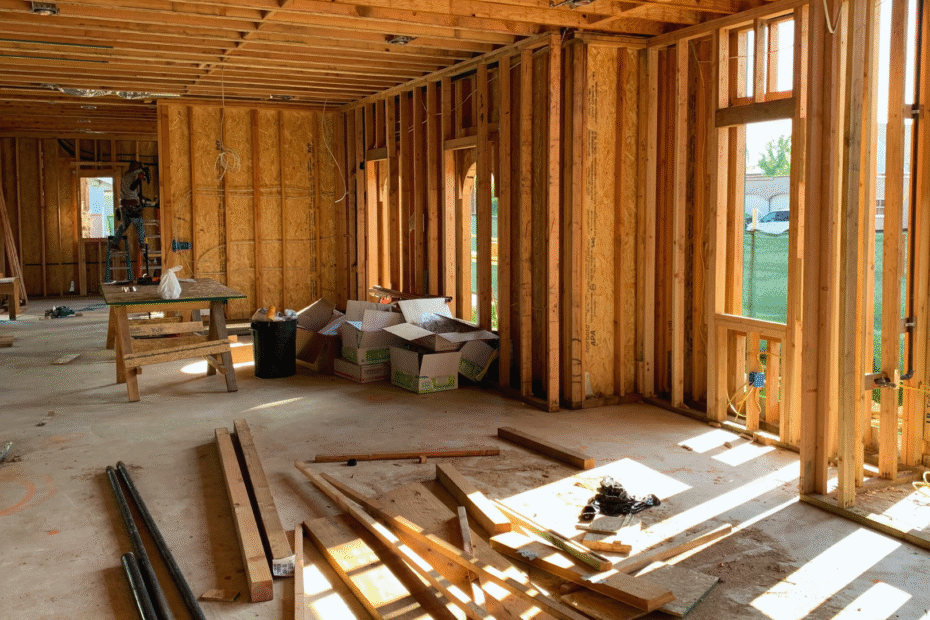
Engineered wood products, such as plywood and oriented strand board (OSB), combine layers of wood veneers or strands. These materials offer strength and stability while often being more sustainable than traditional lumber.
Popular Timbers: Oak, Pine, Fir, and Lumber
Oak is highly regarded for its strength and resistance to wear. It is often used in flooring and furniture-making.
Pine is an affordable softwood that is versatile and widely available. Its light color and straight grain make it suitable for construction framing and moldings.
Fir provides a balance of strength and lightweight properties, making it ideal for beams and large framing projects.
Common lumber sizes and grades help determine the wood’s suitability for specific applications, ensuring structural integrity and performance.
Wood Framing, Plywood, and Stick-Built Homes
Wood framing is a popular construction method due to its cost-effectiveness and adaptability. This method utilizes dimensional lumber to create the framework of a structure.
Plywood serves as an essential component of residential construction, providing shear strength and flexibility. It is commonly used for walls, floors, and roofs.
Stick-built homes refer to structures built on-site using traditional framing methods. This approach allows for design flexibility and ensures structures can be tailored to specific site conditions.
Impacts on Carbon Emissions and Sustainability
Selecting sustainable wood options can significantly reduce carbon emissions in residential construction.
Using locally sourced timber minimizes transport emissions and supports local economies.
Engineered wood products often utilize less timber while maintaining structural integrity, promoting sustainability.
Additionally, choosing wood certified by organizations like the Forest Stewardship Council (FSC) ensures responsible harvesting practices, contributing to long-term forest health and sustainability.
Enhancing Home Value Through Smart Material Choices
Making informed decisions about building materials can significantly impact a home’s value. Considerations such as aesthetic appeal, cost efficiency, and sustainability all play a role in achieving desirable outcomes.
Aesthetic Appeal and Design Considerations
The choice of materials directly affects a home’s visual appeal. High-quality finishes, such as natural stone or hardwood, can elevate a property’s aesthetic, making it more attractive to potential buyers.
Designers often recommend incorporating materials that complement the overall style of the home. Textures and colors should harmonize with the architecture while standing out for uniqueness. Beyond just finishes and materials, certain functional elements can also influence the overall impression of a space. For instance, construction professionals might look for information on commercial glazed hatches or other architectural components, since details like these can enhance both design and usability.
Using trendy materials, like reclaimed wood or sleek metals, can also add modern charm. Embracing innovative design solutions maximizes visual impact and can lead to higher market valuations.
Using Recycled Materials and Improving Thermal Mass
Recycled materials not only promote sustainability but also enhance a home’s energy efficiency. For instance, using recycled insulation or reclaimed bricks can help reduce environmental impact while appealing to eco-conscious buyers.
Incorporating materials that improve thermal mass, such as concrete or stone, can significantly enhance energy efficiency. This can lead to lower heating and cooling costs, making the home more appealing to potential occupants.
Investing in energy-efficient building materials can lead to long-term savings, which is an attractive selling point. Eco-friendly features increasingly influence buyer decisions in today’s real estate market.
Managing Labor Costs with Contractors, Designers, and Builders
The selection of materials directly impacts labor costs. Higher-quality materials may require specialized installation techniques, potentially increasing the budget. Partnering with experienced builders and designers ensures the right materials are chosen, factoring in labor costs during the planning stage.
It is crucial to communicate effectively with contractors about material specifications. This prevents surprises regarding installation costs and timelines. Smart collaboration can streamline construction projects, maintaining budget expectations.
Consider obtaining multiple quotes to compare labor costs associated with different materials and their installation. This approach facilitates informed decisions, ultimately enhancing contractor relationships and project efficiency.
Specialty Materials: Kitchen Countertops and Finishings
Selecting the right materials for kitchen countertops can significantly affect home value. High-end options like quartz, granite, or marble not only look appealing but also offer durability.
Incorporating unique finishes can tailor the kitchen’s aesthetic, attracting buyers. Specialty materials tend to enhance the usability and longevity of workspaces, which can be a decisive factor during home inspections.
Investing in quality countertops may lead to higher appraisals, reinforcing the overall value of the home. Kitchen renovations often yield a high return on investment, highlighting the importance of smart material choices.