
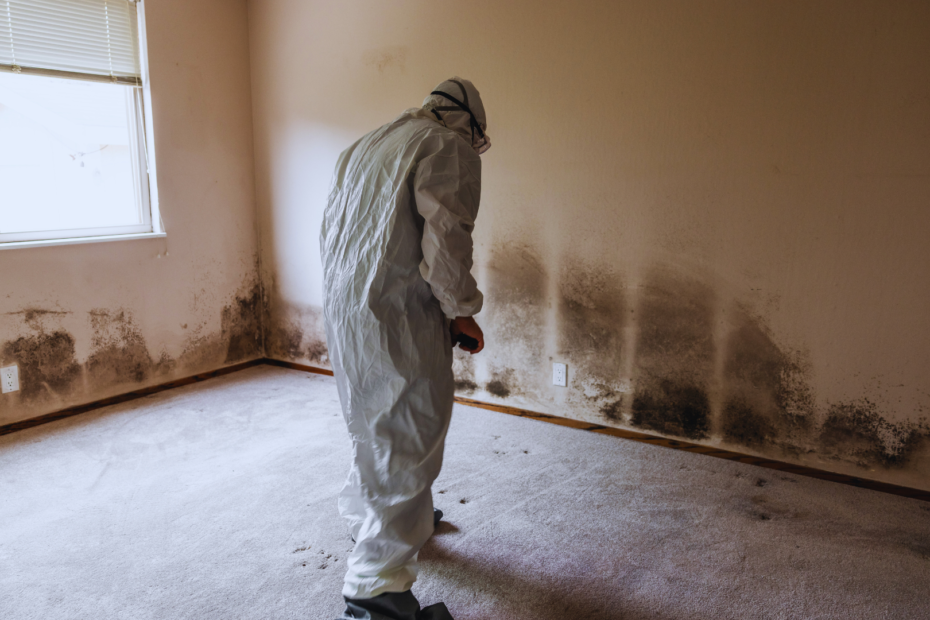
Mold can be a persistent problem in many homes and can pose risks to health and property. Effective methods to get rid of mold include identifying damp areas, using appropriate cleaning agents, and ensuring proper ventilation. Addressing mold quickly can prevent it from spreading and becoming more difficult to eliminate.
Individuals facing mold issues often underestimate the importance of addressing moisture sources. By tackling leaks, poor drainage, and humidity levels, they can significantly reduce the likelihood of mold growth. This proactive approach is essential for a long-term solution.
Cleaning existing mold requires a combination of techniques and preventive measures. Regular inspection and maintenance can keep mold at bay and maintain a healthier living environment. Familiarizing oneself with available strategies can empower homeowners to take control of their space. And, when mold becomes too overwhelming to handle alone, companies like Horizon Emergency Services & Restoration can be a dependable option for thorough mold removal and remediation.
Understanding Mold
Mold is a pervasive issue that can arise in various environments, especially where moisture is present. Understanding mold’s behavior, its health implications, and typical growth conditions is crucial for effective prevention and management.
Mold Basics
Mold is a type of fungus that thrives in damp, warm, and humid environments. It reproduces through spores that can easily be inhaled or come into contact with skin. Common types of mold include Aspergillus, Penicillium, and Stachybotrys (often referred to as black mold). Mold appears in various colors, including green, black, white, and yellow, and can grow on numerous surfaces. Spores can remain dormant until favorable conditions arise, often leading to hidden infestations in walls and ceilings.
Health Risks of Mold Exposure
Mold exposure can lead to various health issues, particularly for individuals with respiratory conditions or weakened immune systems. Common symptoms include coughing, sneezing, eye irritation, skin rashes, and even more severe reactions like asthma attacks. Certain molds produce mycotoxins, which can pose significant health risks. Prolonged exposure can lead to chronic respiratory problems or more serious illnesses. It’s essential to address mold issues promptly to minimize health impacts, especially in vulnerable populations such as children and the elderly.
Common Causes and Locations of Mold Growth
Mold growth can occur in both indoor and outdoor environments, often linked to excessive moisture. Common causes include leaky roofs, broken pipes, high humidity levels, and poor ventilation. Locations where mold is typically found include bathrooms, basements, kitchens, and areas around windows.
To effectively manage mold, it’s vital to monitor humidity levels, ensure proper ventilation, and address any water leaks quickly. Regular inspection of potential mold-prone areas can help in early detection and remediation.
Prevention Strategies
To effectively prevent mold growth, controlling humidity levels, ensuring proper ventilation, and conducting routine cleaning are essential practices. Implementing these strategies can significantly reduce the likelihood of mold developing in residential or commercial spaces.
Controlling Humidity Levels
Humidity levels in a home should ideally be maintained between 30% and 50%. To achieve this, using a dehumidifier can be helpful in damp areas like basements and bathrooms. Monitoring humidity with a hygrometer allows for timely adjustments.
Additionally, avoid hanging wet clothes indoors and fix any leaks promptly. Regularly using exhaust fans during cooking and showering can further help in keeping moisture at bay. Ensuring that crawl spaces are properly ventilated can also contribute to maintaining optimal humidity levels.
Alongside these measures, it’s equally important to stay aware of other possible sources of moisture, such as damp walls, hidden leaks, or condensation in areas where air doesn’t circulate well. At times, problems like a leaking pipe concealed behind a wall or a roof leak seeping through the walls can go unnoticed until mold begins to develop.
When the source of moisture isn’t obvious or proves difficult to fix, the best course of action is to call in a local Boston restoration company, or elsewhere. These specialists can carefully evaluate the situation, find any hidden moisture problems, and take the right steps to dry out the space and prevent further damage.
Proper Ventilation Techniques
Ventilation plays a crucial role in mold prevention. Opening windows during dry days allows fresh air to circulate, reducing moisture buildup. Installing exhaust fans in high-moisture areas like kitchens and bathrooms is also effective.
Using trickle vents in windows can provide continuous airflow without compromising security. Ensuring that vents are not blocked and that air can circulate freely is key. This allows damp air to escape, minimizing the chance for mold to thrive.
Routine Cleaning and Maintenance
Regular cleaning is essential in preventing mold growth. High-humidity areas, such as bathrooms and kitchens, should be cleaned frequently with mold-resistant cleaning products. Pay special attention to tiles, grouts, and surfaces that tend to retain moisture.
Staying consistent really matters; simple habits like wiping down wet areas and making sure there’s good airflow can make a noticeable difference. For extra help, particularly in busy homes or if mold has been a recurring issue, scheduling professional Rhode Island house cleaning services (or elsewhere) once or twice a month can be a smart move, too. Reliable cleaning professionals can provide the kind of deep, detailed cleaning that helps keep mold under control and creates a fresher, healthier living environment.
Also, inspecting and cleaning gutters regularly prevents water overflow that can cause mold growth in attics or wall cavities. Keeping indoor plants to a minimum can also help reduce humidity levels. Lastly, addressing any signs of water damage immediately can prevent mold from establishing a foothold.
Mold Identification
Identifying mold accurately is critical for effective removal and prevention. Two primary approaches include visual inspection and specialized testing methods.
Visual Inspection
A thorough visual inspection is usually the first step in mold identification. Mold can appear in various colors, including black, green, white, or yellow. It often manifests as fuzzy, slimy, or powdery patches on surfaces.
Inspect common areas prone to moisture, such as bathrooms, kitchens, and basements. Look for dark stains or discoloration on walls, ceilings, and floors. Pay attention to hidden spaces, like behind appliances or inside cabinets, where mold may flourish without being easily visible. Additionally, check for musty odors, which can indicate mold presence. It’s essential to document any findings with photographs to help in evaluating the extent of the mold growth.
Mold Testing Methods
When visual inspection is inconclusive, mold testing methods can provide clarity. There are several approaches:
- Air Sampling: This method collects air samples from the indoor environment to measure the concentration of mold spores. A low level of contamination is acceptable, but high levels indicate a problem.
- Surface Sampling: Swab tests or tape lifts are used to collect samples from visible mold growth. These samples can help identify the type of mold present.
- Bulk Sampling: This involves taking a piece of material containing mold, such as drywall or insulation, for laboratory analysis.
These testing methods can yield detailed information about mold species, which can inform removal strategies. It’s advisable to consult professionals who can interpret the results accurately.
DIY Mold Removal
Removing mold can be done effectively using various methods. The choice between natural remedies and chemical solutions often depends on the severity of the mold problem. It’s also essential to prioritize safety during the removal process.
Natural Remedies
Natural remedies can be effective for small mold issues. Common options include:
- Vinegar: Undiluted vinegar can kill about 82% of mold species. Spray it directly on the affected area and let it sit for at least an hour before wiping it clean.
- Baking Soda: Mix a quarter teaspoon of baking soda with water in a spray bottle. Spray the mixture on the mold, scrub, and rinse. This not only removes mold but also helps deodorize.
- Hydrogen Peroxide: 3% hydrogen peroxide is a powerful antifungal. Apply it directly to the mold, let it sit for 10-15 minutes, and scrub it off.
These options are usually safe for homes and can deter future mold growth.
Chemical Solutions
For larger infestations, chemical solutions may be necessary. Common products include:
- Bleach: A solution of one cup of bleach to one gallon of water can be effective. It’s important to note that bleach should not be mixed with ammonia or other cleaners.
- Commercial Mold Removers: There are various store-bought products formulated to eliminate mold. These often contain stronger chemicals designed for more severe infestations.
- Fungicide: Specialized mold fungicides can be used after cleaning to help prevent future growth.
When using chemicals, always follow the manufacturer’s instructions carefully for best results.
Protective Gear and Safety Precautions
Safety is crucial when engaging in mold removal. Recommended protective gear includes:
- Gloves: Use rubber gloves to prevent skin contact with mold and chemicals.
- Mask: A mask rated N95 or higher helps filter out mold spores from the air.
- Goggles: Protect the eyes from splashes and irritants.
Before starting, ensure adequate ventilation by opening windows or using fans. If the mold covers a significant area, consider contacting a professional to manage the situation safely.
Professional Mold Remediation
When mold is widespread or poses health risks, remediation is the safest and most effective approach. It ensures thorough Mold Removal and minimizes the chance of recurrence.
When to Hire a Professional
Recognizing when to seek professional help is crucial. Homeowners should consider hiring experts in the following situations:
- Extensive Infestation: If mold covers a large area (over 10 square feet), it’s advisable to consult a professional.
- Health Concerns: Individuals with allergies, respiratory issues, or compromised immune systems should avoid DIY attempts.
- Hidden Mold: Mold growing in hidden areas (like behind walls or under floors) may require professional assessment and removal.
Timely action can prevent further damage and safeguard health.
The Remediation Process
The remediation process typically involves several key steps:
- Assessment: Professionals conduct a thorough inspection to identify the extent of the mold problem.
- Containment: They create barriers to prevent mold spores from spreading during the removal process.
- Filtration: High-efficiency particulate air (HEPA) filters are used to capture airborne spores.
- Removal: Moldy materials may be discarded, while other surfaces are cleaned with specialized solutions.
- Restoration: After remediation, repairs and restoration ensure that affected areas are made safe and livable.
Each step is crucial to ensure total elimination and reduce the risk of regrowth.
Choosing a Reputable Service Provider
Selecting a credible mold remediation service requires careful consideration. Homeowners should focus on the following:
- Credentials: Verify that the company is licensed and insured, ensuring they meet industry standards.
- Experience: Look for professionals with significant experience in mold remediation. Their expertise can greatly affect the outcome.
- References: Request and check references from past clients to gauge the quality of service provided.
- Transparent Pricing: Obtain detailed estimates that outline the services included, avoiding hidden fees.
Making an informed choice helps ensure effective remediation and peace of mind.
Post-Removal Recommendations
After removing mold, it is essential to ensure complete elimination and implement ongoing measures to prevent regrowth. Addressing these factors reinforces a healthier environment.
Ensuring Complete Removal
To confirm that mold has been fully removed, conduct a thorough inspection of the area. Checking for discoloration, musty odors, or visible growth is crucial. Utilizing a moisture meter can help identify hidden dampness, as mold thrives in moisture-rich environments.
Steps for verification include:
- Inspect: Examine walls, ceilings, and hidden areas like crawl spaces.
- Test: Use professional mold testing kits if necessary.
- Air Quality: Consider air quality testing to rule out airborne spores.
Once verified, ensure that any residual materials affected by mold, such as drywall or insulation, are properly replaced.
Ongoing Prevention Measures
Preventing mold from returning involves maintaining optimal indoor conditions. Begin by controlling humidity levels. Using a dehumidifier in damp areas can keep moisture below 50%.
Additional prevention tips include:
- Ventilation: Increase airflow in bathrooms and kitchens. Use exhaust fans.
- Water Leaks: Repair any leaks immediately to avoid moisture accumulation.
- Regular Cleaning: Frequently clean areas prone to mold growth, such as bathrooms and basements.
Implementing these strategies will assist in maintaining a mold-free environment. Regular monitoring of conditions can help detect any re-emergence quickly.
Legal and Insurance Considerations
Addressing mold issues may involve navigating legal rights and insurance claims. Individuals must understand their rights as tenants and the specifics of their homeowner’s insurance regarding mold damage.
Understanding Tenant Rights
Tenants have specific rights when it comes to mold in rental properties. Landlords must maintain a safe and habitable living environment. This includes taking action against mold growth.
If mold persists, tenants should:
- Document any mold presence with photos.
- Notify the landlord in writing.
- Give a reasonable timeframe for repairs.
If the landlord fails to act, tenants can seek assistance from local health departments or housing authorities. They may also have grounds to pursue remediation costs or even terminate the lease, depending on local laws.
Navigating Homeowners Insurance Claims
Homeowners’ insurance can play a critical role in mold remediation. It is essential to review the policy to understand coverage details, as not all policies include mold damage.
Steps to take include:
- Contacting the Insurance Agent: Notify them about mold presence and possible claims.
- Documenting Damage: Take detailed photographs and gather evidence of mold growth.
- Filing a Claim: Submit a claim along with the collected documentation.
Policyholders should be aware of their deductible and any limitations regarding mold damage. Understanding these factors can help in receiving proper compensation for necessary repairs.